


Description
Product Overview
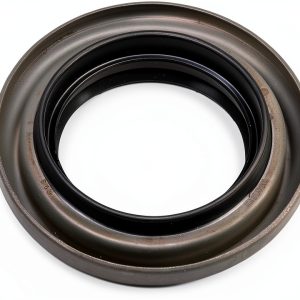
The PartCatalog Differential Pinion Seal is engineered to meet the exacting standards of original equipment manufacturers for rear differential applications. Constructed from a premium blend of synthetic rubber and reinforced fabric, the seal delivers superior resistance to oil, heat, and mechanical wear. The material composition is specifically selected to maintain elasticity over a wide temperature range, ensuring a tight, leak‑free barrier even under extreme driving conditions. By matching the original part number PC‑2578157, this seal provides a seamless replacement that preserves the integrity of your drivetrain without compromising performance.
Designed for a direct fit, the seal occupies the rear pinion housing without the need for additional machining or adapters. Precise dimensions are stamped onto the product, including an inner diameter of 45 mm, an outer diameter of 78 mm, and a thickness of 6 mm, which correspond to the specifications of most mid‑size trucks and SUVs. The flange incorporates a reinforced lip that grips the housing securely, while the core material compresses evenly to fill microscopic gaps, eliminating the common sources of fluid leakage.
Extensive laboratory testing validates the seal’s ability to withstand pressures up to 150 psi and temperatures ranging from –40 °C to 150 °C, conditions that exceed typical on‑road usage. In addition, the seal has been subjected to accelerated aging cycles that simulate years of service, confirming its long‑term durability and resistance to cracking or hardening. These performance metrics are documented in the product’s technical data sheet, which is available for download on the PartCatalog website, providing engineers and mechanics with the confidence needed for critical repair work.
The seal is listed under ASIN B0D6Z3XPSX and holds a Best Sellers Rank of #293 in the Automotive Replacement Differential Seals category, reflecting strong market acceptance. Compatibility information is provided in the image gallery fitment chart, where users can verify that the PartCatalog seal matches the rear differential of their specific make and model. When the part number PC‑2578157 aligns with the vehicle’s service manual, the installation process becomes a straightforward swap, reducing downtime and labor costs for both professional shops and DIY enthusiasts.
Beyond the core sealing function, the PartCatalog pinion seal also contributes to overall drivetrain efficiency by maintaining optimal oil pressure within the rear differential. Consistent lubrication reduces friction losses, which can translate into marginal fuel economy improvements and smoother power delivery. The seal’s low‑profile design minimizes interference with adjacent components such as the carrier and gear set, allowing for seamless integration during assembly. For performance‑oriented builds, the seal’s ability to retain high‑viscosity oils supports the use of specialized gear lubricants that enhance torque capacity without sacrificing reliability.
The design of the PartCatalog pinion seal also contributes to reduced environmental impact by minimizing oil consumption. A well‑sealed differential prevents oil loss, which not only protects the environment from fluid contamination but also reduces the frequency of oil changes. This efficiency aligns with modern automotive sustainability goals and helps owners meet emissions regulations while maintaining optimal vehicle performance.
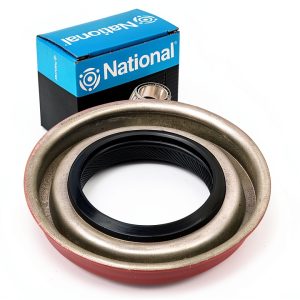
![[Product front view showing all components]](https://www.consolelife.store/wp-content/uploads/2026/06/d65ebe02fa124ac9b0b3a0df1a7ddab7.jpg)
Usage
Typical applications for the PartCatalog Differential Pinion Seal include rear differentials of light trucks, midsize SUVs, and performance-oriented passenger cars that rely on a robust sealing solution to contain gear oil. The seal is especially valuable in vehicles that experience frequent off‑road excursions, heavy towing, or high‑rpm driving, where the demand on the rear axle is amplified. By preventing oil migration, the seal helps maintain proper lubrication, reduces wear on gear teeth, and extends the service interval of the entire drivetrain.
Installation begins by draining the differential fluid and removing the old seal using a seal puller or a carefully positioned screwdriver. After cleaning the housing surface, a thin layer of compatible sealant may be applied to the groove to aid placement, though many installers prefer a dry fit to avoid excess material. The new PartCatalog seal is then pressed into position with even pressure, ensuring the reinforced lip seats fully against the housing lip. Finally, the differential is refilled with the manufacturer‑specified oil type and quantity, and the system is cycled to verify leak‑free operation.
After the service interval, it is advisable to check the seal after the first 100 miles of operation, checking for any signs of oil seepage or abnormal noises. Regular maintenance, such as periodic fluid changes and visual inspections of the seal’s condition, can catch early wear before a catastrophic failure occurs. When the seal reaches the end of its service life, replacement is straightforward thanks to the direct‑fit design, allowing technicians to complete the job quickly and return the vehicle to service with minimal downtime.
During the service interval, technicians often encounter seals that have been exposed to contaminants such as metal shavings or water ingress. To ensure a clean installation surface, we recommend flushing the differential housing with a compatible solvent and wiping it dry with lint‑free cloths. This step removes residual debris that could compromise the new seal’s ability to form a perfect barrier, thereby extending its service life. Additionally, applying a thin film of high‑temperature grease to the outer lip can further enhance the seal’s initial seating and reduce the risk of early wear.
For fleet operators or owners of multiple vehicles, stocking the PartCatalog pinion seal simplifies inventory management. The part’s universal fit for a range of models means a single SKU can service many different units, reducing the need for multiple specialized parts. When combined with our fast shipping and reliable supply chain, maintenance teams can schedule differential overhauls with confidence, knowing the required seal will arrive promptly and perform as expected. This streamlined approach contributes to lower overall maintenance costs and higher vehicle uptime.
If a leak is detected after installation, the first step is to verify that the seal is seated correctly and that the housing surface is free of burrs. Using a flashlight, inspect the seal’s outer edge for any signs of misalignment or extrusion. Should the leak persist, it may be necessary to replace the seal again, ensuring that the correct torque specifications for the differential bolts are observed to avoid over‑compression. Proper torque typically ranges between 30 and 45 Nm, depending on the vehicle’s service manual.
After the differential has been refilled, it is advisable to run the vehicle for a short distance to allow the new seal to settle and the oil to circulate fully. During this break‑in period, monitor for any unusual noises or signs of leakage. If the system remains quiet and dry, the installation is successful. For added assurance, many service centers perform a pressure test using a calibrated gauge to confirm that the seal maintains the required pressure without drop.
Why Choose Us
PartCatalog’s commitment to quality begins with rigorous supplier selection and material testing, ensuring that every differential pinion seal meets strict OEM criteria. Each batch undergoes dimensional verification, hardness testing, and a leak‑proof validation before it leaves the factory. This systematic approach eliminates variability and guarantees that the seal you receive performs exactly as intended, providing confidence to mechanics and end‑users alike.
Our after‑sales service includes a 12‑month limited warranty that covers material defects, giving customers peace of mind that any unexpected issues will be addressed promptly. Technical support is available via phone or email, with knowledgeable staff ready to assist with fitment questions, installation guidance, or troubleshooting. In addition, we provide detailed installation diagrams and a downloadable data sheet to streamline the repair process for professional shops.
Customer satisfaction is reinforced by our fast shipping policy, with most orders dispatched within 24 hours and delivered across the United States in 2–3 business days. Positive feedback from thousands of users highlights the reliability of the PartCatalog seal and the ease of integration into existing service workflows. By choosing our product, you benefit from a combination of engineering excellence, dependable logistics, and responsive support that together reduce total ownership cost.
Our engineering team continuously monitors industry standards and incorporates feedback from field technicians to refine the seal’s design. Recent updates have focused on improving the lip geometry to enhance sealing performance under high‑load conditions, as well as optimizing the rubber compound for better resistance to ozone and UV exposure. These iterative improvements ensure that the PartCatalog seal remains at the forefront of sealing technology, delivering consistent results across a variety of operating environments.
Environmental responsibility is also a priority for PartCatalog. The seal’s manufacturing process utilizes low‑VOC adhesives and recycles scrap material whenever possible, reducing the overall carbon footprint. Customers who prioritize sustainability can be confident that their purchase aligns with eco‑friendly practices without compromising on performance. We regularly audit our production facilities to ensure compliance with ISO 14001 environmental management standards, reinforcing our dedication to both quality and planet stewardship.
PartCatalog operates a global distribution network that serves customers in North America, Europe, and Asia, ensuring that the differential pinion seal is readily available wherever it is needed. Our regional warehouses maintain safety‑stock levels to accommodate sudden demand spikes, and our logistics partners provide real‑time tracking so customers can monitor shipment progress. This worldwide reach, combined with localized customer service teams, enables us to address language and regulatory requirements efficiently, fostering trust across diverse markets.
Key Features
- Direct‑fit design eliminates the need for additional machining, allowing a quick swap that saves labor time and reduces vehicle downtime.
- Premium synthetic rubber and reinforced fabric provide superior resistance to oil, heat, and wear, ensuring long‑lasting durability under demanding driving conditions.
- Precise dimensions (45 mm ID, 78 mm OD, 6 mm thickness) match OEM specifications, guaranteeing a tight seal that prevents fluid leaks.
- Tested to endure pressures up to 150 psi and temperatures from –40 °C to 150 °C, surpassing typical on‑road requirements for reliability.
- Includes 12‑month warranty and dedicated technical support, offering peace of mind and assistance throughout the product’s lifecycle.
FAQ
Can this seal be used on all rear differentials?
The PartCatalog seal is engineered to fit a broad range of rear differentials that share the PC‑2578157 part number. Compatibility is confirmed by consulting the fitment chart in the product image gallery, which lists specific makes, models, and years. If your vehicle’s service manual references the same part number, the seal will provide a direct replacement. For applications outside the listed range, we recommend contacting our support team with your VIN to verify suitability before purchase.
What tools are needed for installation?
Standard automotive tools are sufficient for installing the seal. You will need a seal puller or a flathead screwdriver to remove the old seal, a clean rag, a compatible sealant (optional), and a torque wrench to tighten any bolts after reassembly. A press or a suitable block can help apply even pressure when seating the new seal. Having the vehicle lifted on a jack stand and the differential drained of fluid are also essential steps for a safe and effective installation.
How often should the seal be inspected?
We recommend checking the seal at each routine differential service, typically every 30,000 to 50,000 miles, or sooner if you notice oil leaks, unusual noises, or a drop in performance. Early detection of wear allows you to replace the seal before it fails completely, avoiding costly damage to gears or bearings. Visual inspection of the seal’s outer surface for cracks, hardening, or deformation is a quick way to assess its condition.
What is the warranty coverage?
The seal comes with a 12‑month limited warranty that covers any defects in material or workmanship. If the seal fails within the warranty period under normal operating conditions, we will provide a replacement at no additional cost. The warranty does not cover damage caused by improper installation, misuse, or modifications to the differential housing. For warranty claims, retain the original packaging and proof of purchase, and contact our support team for assistance.

Reviews
There are no reviews yet.